
Quarterly Newsletter - April 2026 - Issue No. 30

Professor Chris Griffiths OBE
GPA Director
Director's Foreword
As I reflect on the progress of the Global Psoriasis Atlas (GPA) over recent months, it is clear that our collective efforts continue to shape the global understanding of psoriasis and strengthen the foundations for improved care worldwide. This issue highlights the breadth of our work, from high‑impact research outputs and international collaborations to the growing influence of the GPA on global health policy.
Our research programme continues to deliver meaningful advances. A major milestone was the publication of our collaborative paper on biosimilars, which “examines the role of biosimilars in enhancing access to psoriasis treatment” and demonstrates how these therapies can expand availability of biologics, particularly in low‑ and middle‑income countries. This work was a direct consequence of the successful 2025 application to include adalimumab and ustekinumab in the WHO Essential Medicines List; an achievement that marks a pivotal step toward equitable access to effective treatment.
We also celebrate the publication of Psoriasis in Greenland: A Global Psoriasis Atlas population-based study in Tasiilaq, East Greenland, which provides the first detailed epidemiological assessment of psoriasis in this remote Inuit community. The study reports a point prevalence of 5.8%, far exceeding earlier estimates based on hospital records, and underscores the importance of community‑based research in revealing the true burden of disease.
As Phase III (2023–2026) of the GPA draws to a close, I am proud to highlight its achievements. Our outputs include multiple high‑impact publications, the landmark SKINSCAPE study in South Africa which was the first comprehensive community‑based prevalence study of skin disease in the Eastern Cape, and the release of the third edition of the GPA, incorporating data from 73 new epidemiological studies across 41 countries. GPA research has also informed major policy decisions, including NICE’s 2025 recommendation of spesolimab for Generalised Pustular Psoriasis and the WHO EML approvals noted above.
Looking ahead to Phase IV (2026–2029), the GPA will expand its focus to include access to care, strengthening our commitment to research that delivers real‑world impact. Enhanced collaboration with partner organisations, an expanding Coordinator Network, and joint initiatives with the ILDS Grand Challenges in Global Skin Health will further amplify our reach. As the Atlas matures, we are placing increasing emphasis on demonstrating how our research influences public policy, clinical practice and health outcomes.
Our global community remains at the heart of the GPA’s success. As Programme Manager Thomas Rogers reflects, “the stories and faces of the people behind the outputs are invaluable.” With Coordinators now spanning more than 140 countries and recent accolades recognising their leadership, the GPA continues to thrive on the passion and expertise of its international network. I was sorry to miss the American Academy of Dermatology annual meeting in Denver due to an Achilles tendon injury that grounded me, at least temporarily.
We are grateful to our collaborators, Coordinators, sponsors, and partner organisations for their steadfast support. I am excited to look forward to a dynamic and impactful Phase IV as we continue to advance the global understanding of psoriasis and improve the lives of those affected.
With best wishes,
Chris
Research Update

Professor Darren Ashcroft
GPA Director of Research
As we start Phase IV of the GPA, we look back in pride in seeing how widely GPA data is now being used to support improvements in policy and practice for people living with psoriasis globally. This also marks our 10-year anniversary, and we will be sharing further information on our major achievements throughout the year.
It was a huge pleasure to meet so many of our international collaborators at the recent AAD Congress in Denver, at which we presented an update on our Global Access to Care survey. We are very grateful to all our international collaborators who have so enthusiastically shared their valuable insights into the care pathways and access to treatments for the management of psoriasis within their countries and look forward to sharing the main findings from the survey at the EADV Congress in September.
Several new GPA publications have emerged since our latest newsletter, and we hope you enjoy reading more about these. Our GPA team and Coordinators have also contributed numerous chapters to the forthcoming book “Psoriasis: A Global Textbook from the International Psoriasis Council” and we are hoping that this will be published before the end of the year.
Recent Publications
The Role of Biosimilars in Enhancing Access to Psoriasis Treatment
The GPA team collaborated on this paper examining the role of biosimilars in enhancing access to psoriasis treatment. The paper explores how biosimilars may increase availability of biologic therapies for people with psoriasis, particularly in low- and middle-income countries (LMICs), where the high cost of originator biologics often restricts access.
The analysis was based on a systematic review conducted as part of the submission process to include adalimumab and ustekinumab in the World Health Organization (WHO) Essential Medicines List (EML) for adults and children with moderate to severe psoriasis. This application was approved in September 2025.
The inclusion of adalimumab and ustekinumab to the WHO EML for psoriasis represents an important first step toward improving access to biologic treatment for psoriasis in LMICs. As this process continues, and biosimilars become more widely available, treatment costs are expected to decrease, further improving affordability and access.
This paper has been published in the Journal of Investigative Dermatology.
Read full study here: https://doi.org/10.1016/j.jid.2026.01.047
Psoriasis in Greenland: A Global Psoriasis Atlas population-based study in Tasiilaq, East Greenland
Following the GPA’s Field Study in Tasiilaq, Greenland in 2022, and the subsequent publication ‘Skin diseases among adults in Tasiilaq, East Greenland’ (2024) and ‘The Prevalence and Severity of Hand Eczema Among Adults in Tasiilaq, East Greenland’ (2025), the GPA team has now published a new paper titled ‘Psoriasis in Greenland: A Global Psoriasis Atlas population-based study in Tasiilaq, East Greenland’ in the Journal of Investigative Dermatology.
This study builds on previous work by providing an in-depth, focused analysis of psoriasis in the adult Inuit population, with a specific focus on prevalence, disease characteristics, associated risk factors, comorbidities, and treatment needs in this remote setting.
Using a cross-sectional, population-based design, the study estimated a 5.8%-point prevalence of psoriasis among adults in East Greenland, markedly higher than the previously reported 0.9% prevalence rate based on hospital records from Nuuk.
Read the full study here: https://www.jidonline.org/article/S0022-202X(26)01004-3/fulltext
Phase III Highlights and Looking Forward to Phase IV
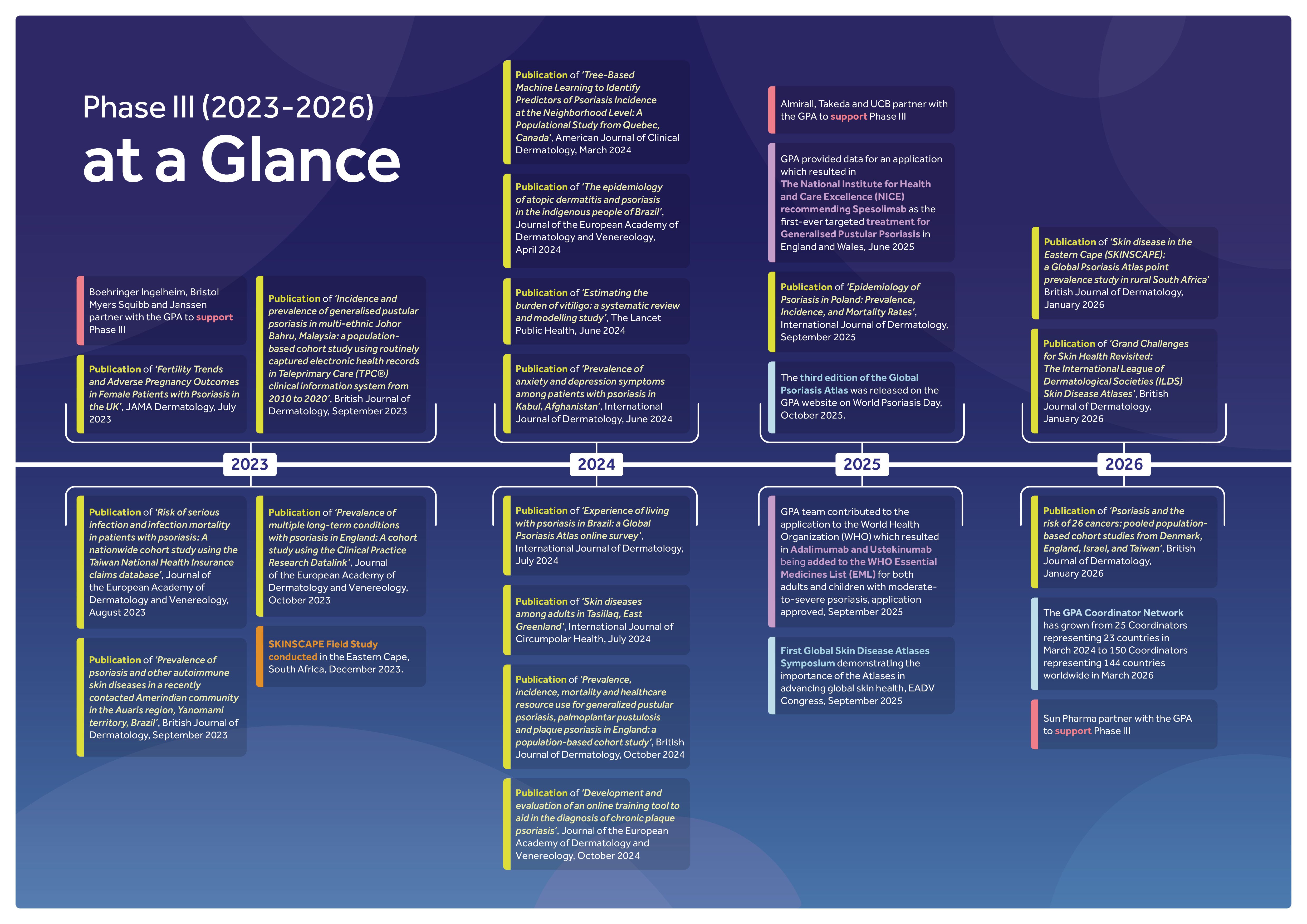
Phase III Highlights
As we head into Phase IV (2026-2029) of the GPA we would like to highlight some of our achievements from Phase III (2023-2026).
High‑impact research outputs:
Multiple papers were published in high‑impact journals, with several achieving Altmetric Attention Scores placing them in the top 25% and top 5% of all tracked research outputs.
SKINSCAPE study – South Africa:
The SKINSCAPE study represents the first comprehensive, community‑based point‑prevalence study of skin disease conducted in the Eastern Cape, South Africa. This international collaboration also fostered meaningful cross‑cultural learning, with South African dermatologists contributing invaluable expertise in the presentation and diagnosis of skin conditions in black skin, strengthening the broader understanding of dermatological conditions in different populations.
Third edition of the Global Psoriasis Atlas:
The third edition of the Global Psoriasis Atlas was released on World Psoriasis Day 2025. The Atlas is an open‑access resource providing comprehensive information on the global epidemiology of psoriasis.
This edition presents findings from our latest systematic review, incorporating data from:
58 new prevalence‑only studies
4 new incidence‑only studies
11 new combined prevalence and incidence studies
Together, these data now cover 41 countries across 14 global regions.
Real‑world impact on treatment access and policy:
GPA research has had a significant real‑world impact by informing applications for new treatments, improving public access, and supporting changes in public policy and decision‑making.
GPA research data were included in an application that led the National Institute for Health and Care Excellence (NICE) to recommend spesolimab as the first‑ever targeted treatment for Generalised Pustular Psoriasis in England and Wales in June 2025.
In addition, the GPA team contributed to an application to the World Health Organisation (WHO), which resulted in adalimumab and ustekinumab being added to the WHO Essential Medicines List (EML) for both adults and children with moderate‑to‑severe psoriasis, approved in September 2025.
Looking Forward to Phase IV
During Phase IV (2026-2029) the GPA will be adjusting their research focus slightly to incorporate the important topic of access to care.
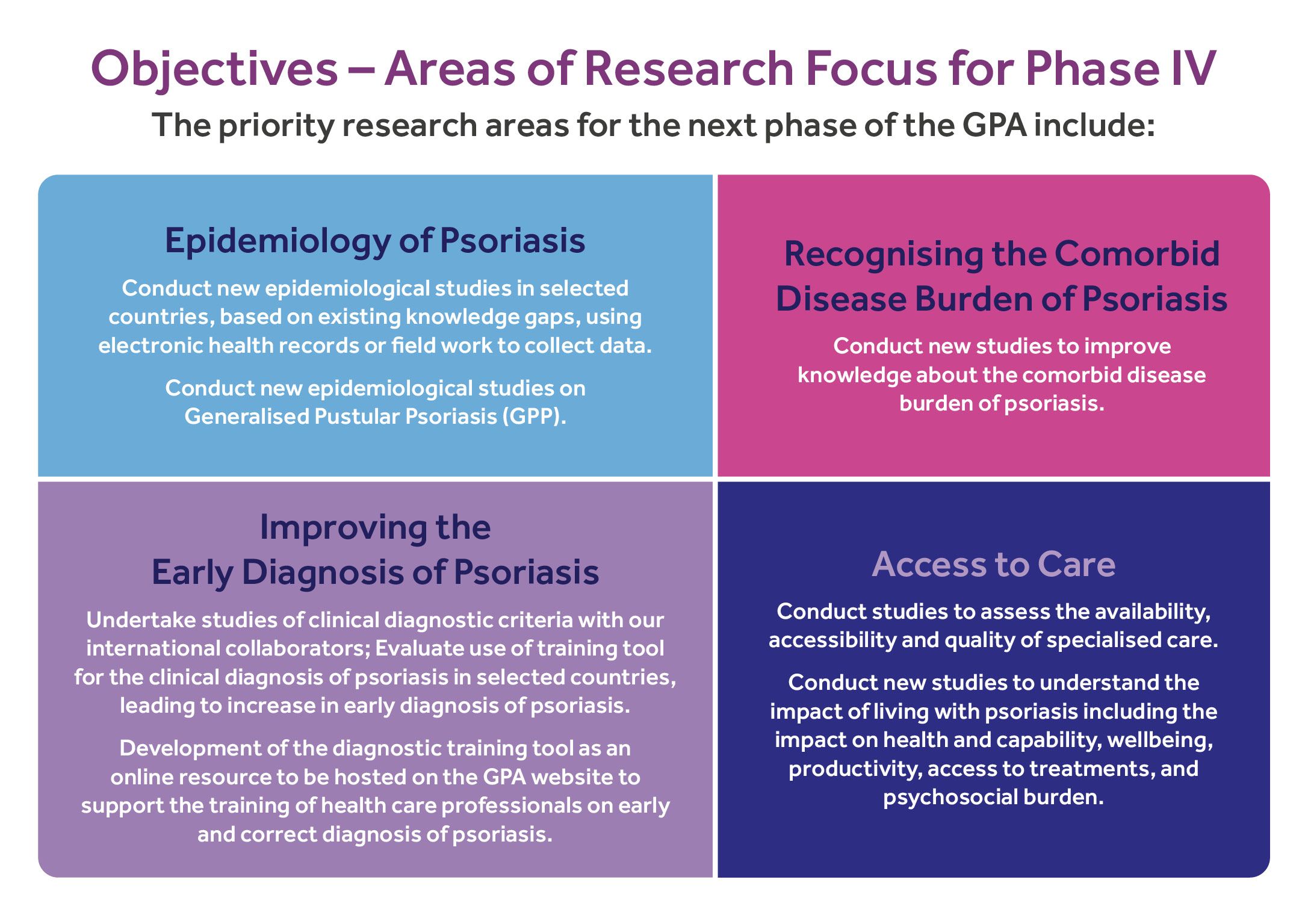
During Phase IV, the GPA team will be strengthened further by enhanced collaboration with our partner organisations, expanding Coordinator Network, and planned collaborative work with the ILDS Grand Challenges in Global Skin Health initiative.
The GPA team continues to prioritise high-impact research outputs and the wide dissemination of our work and findings at notable national and international conferences. As the GPA matures as an organisation, we are putting increasing focus on our research impact –specifically on the demonstrable contributions that the GPA’s research is making beyond academia to public policy, clinical practice, and health outcomes. This emphasis aims to support the translation of research into tangible social, economic and quality of life improvements for individuals living with psoriasis around the world.
We would like to thank our collaborators, Coordinators, and sponsors for their continued support throughout all the phases of the GPA and look forward to working with you all in Phase IV.
American Academy of Dermatology Annual Meeting 2026
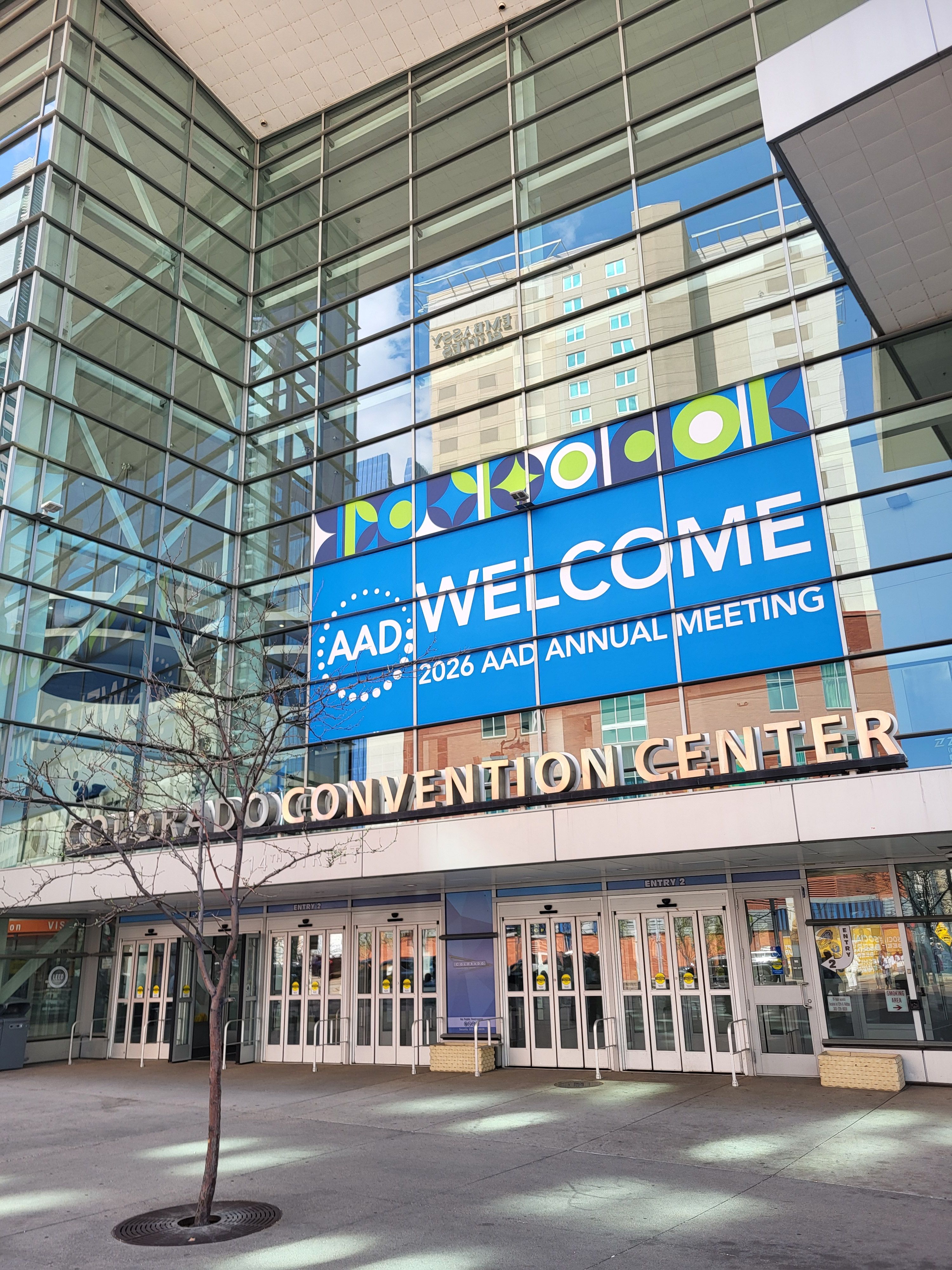
Professor Darren Ashcroft and Tom Rogers attended the AAD Annual Meeting in Denver, Colorado in March . The meeting was a valuable opportunity to connect with our Collaborators, Coordinators and funders.
On Friday 27th March the team participated in a productive Joint Atlas Meeting with the ILDS Grand Challenges in Global Skin Health Committee. During this meeting, the Atlas teams discussed plans for joint projects and field studies scheduled for the coming year.
The GPA hosted its Steering Committee Meeting and Funders’ Briefing on Saturday 28th March 2026. During the Steering Committee Meeting the team were delighted to welcome representatives from 16 different countries. During the meetings, Professor Ashcroft and Tom Rogers shared exciting updates on the latest progress within the GPA, from breaking epidemiological work to new collaborations and communication initiatives. This was a fantastic opportunity to connect, collaborate, and further strengthen our global community.
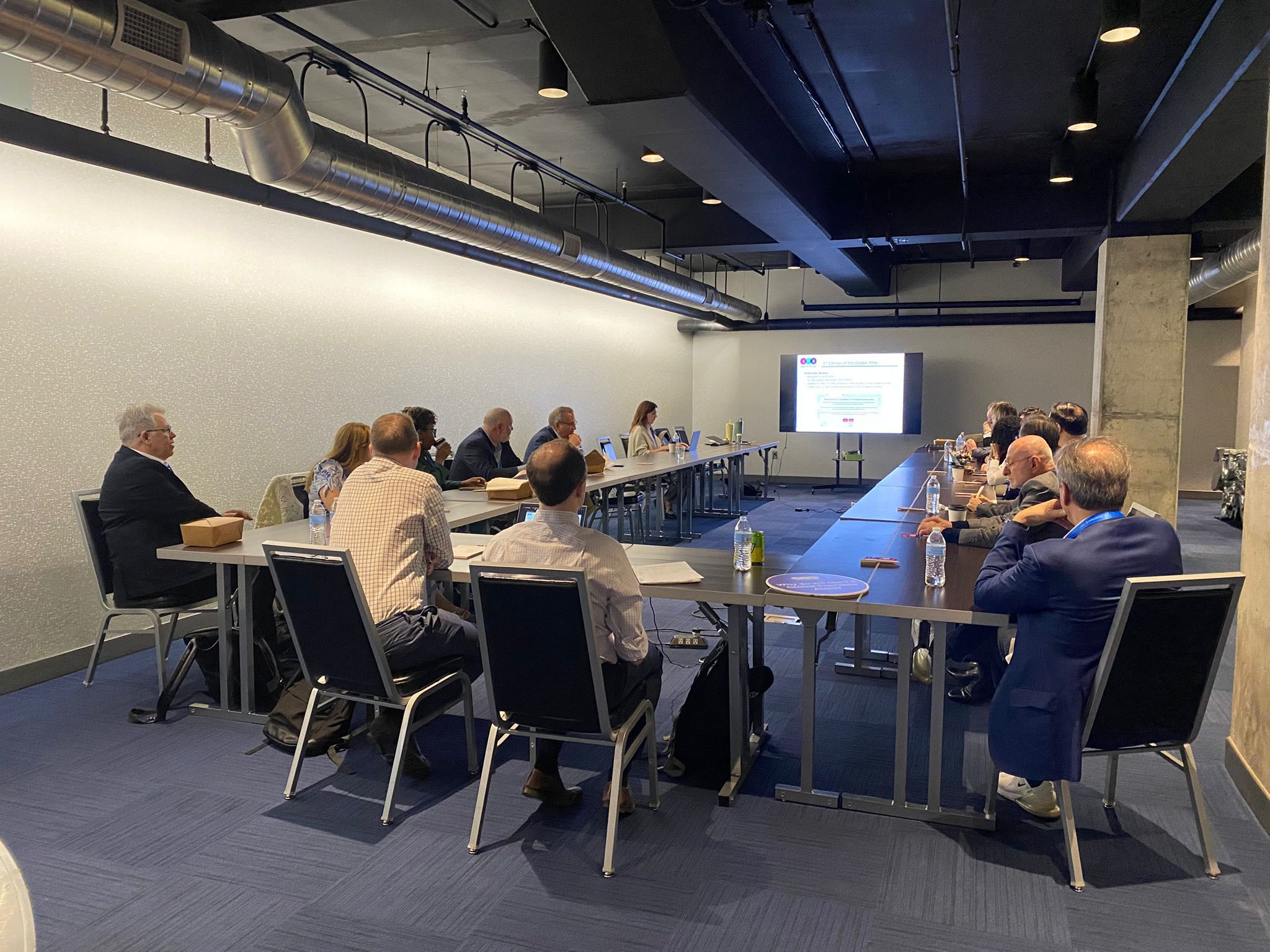
GPA Steering Committee Meeting
On Monday 30th March, the team had the privilege of participating in the second Grand Challenges in Global Skin Health symposium. The symposium included insightful and impactful presentations from the ILDS, the Skin Health Observatory, and all four global skin disease Atlases - with Professor Ashcroft presenting on the Global Psoriasis Atlas. Together, we're driving real momentum toward addressing the significant burden of skin diseases worldwide.
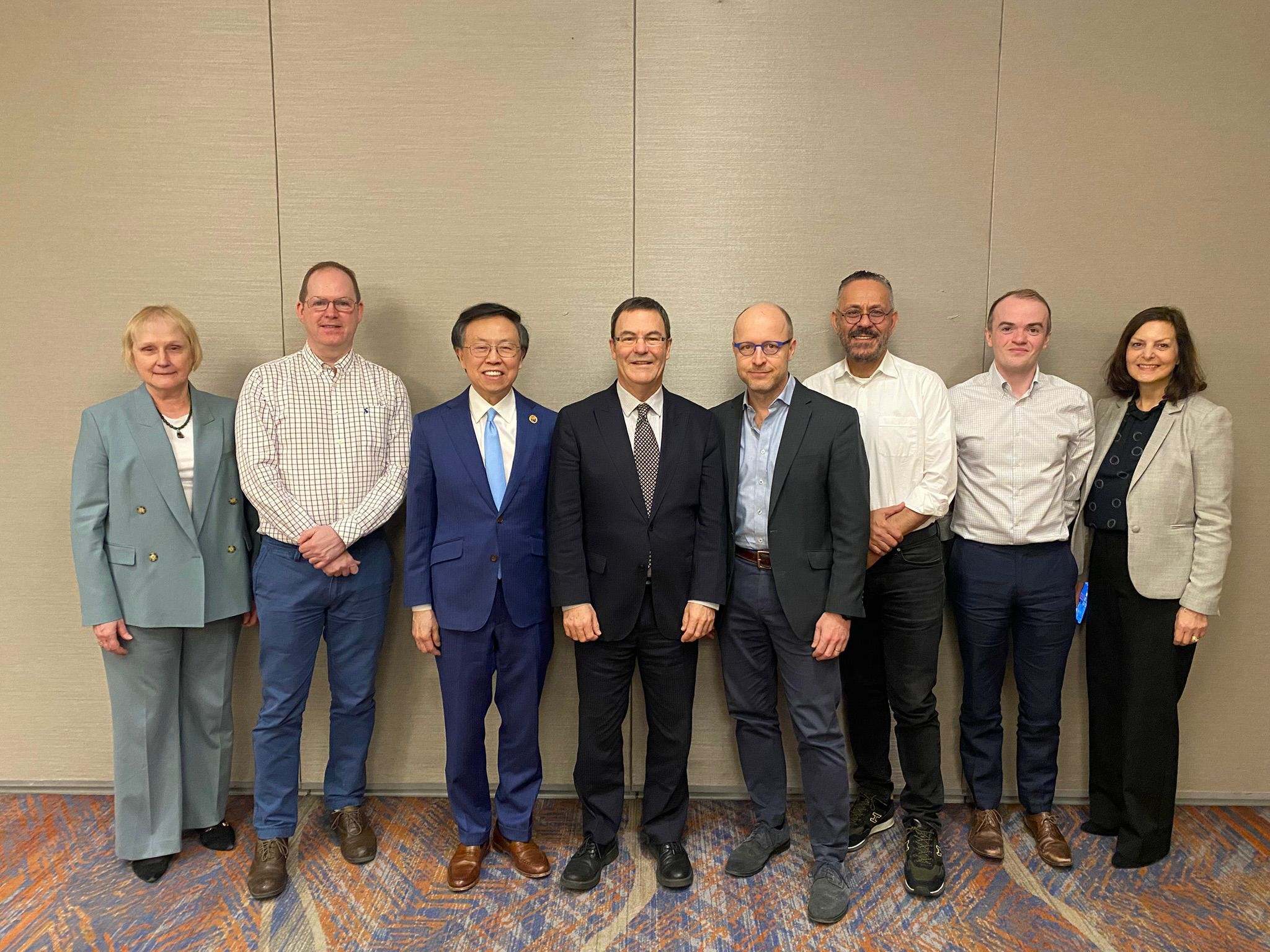
Attendees at the Joint Atlas Meeting in Denver
Reflections on our Global Community
My role as GPA Programme Manager is wide-ranging, dynamic, and never dull. While we are physically based in the United Kingdom, the scope of our work is truly global. When I mention in passing, that within a single day I have been in meetings with colleagues spread across multiple continents, it often leaves people wondering exactly what it is that I do.
The GPA is established on a (growing) passionate community of dermatologists and experts from around the world. One of my roles within the GPA has been to support our Director, Professor Griffiths, in growing this network to help promote our mission and expand our research efforts. Our vast network of passionate Coordinators currently spans over 140 countries and territories around the world – no small feat! It has been a personal pleasure for me to have been involved in this process and to have met so many of these people, both online and at in-person conferences/events. I have seen the value of building strong personal networks in real time, particularly when face-to-face. I have been honoured to represent the GPA at 5 international conferences so far, picking up a few new stamps on my passport in the process.
Communicating and collaborating with our global community has been like ‘pushing on an open door’. There is an incredible amount of expertise, passion and enthusiasm which truly makes our task both enjoyable and rewarding. The research of the GPA is important but the stories and faces of the people behind the outputs are invaluable. We do some fantastic things, and it is essential for us to highlight and celebrate the people who make it happen.
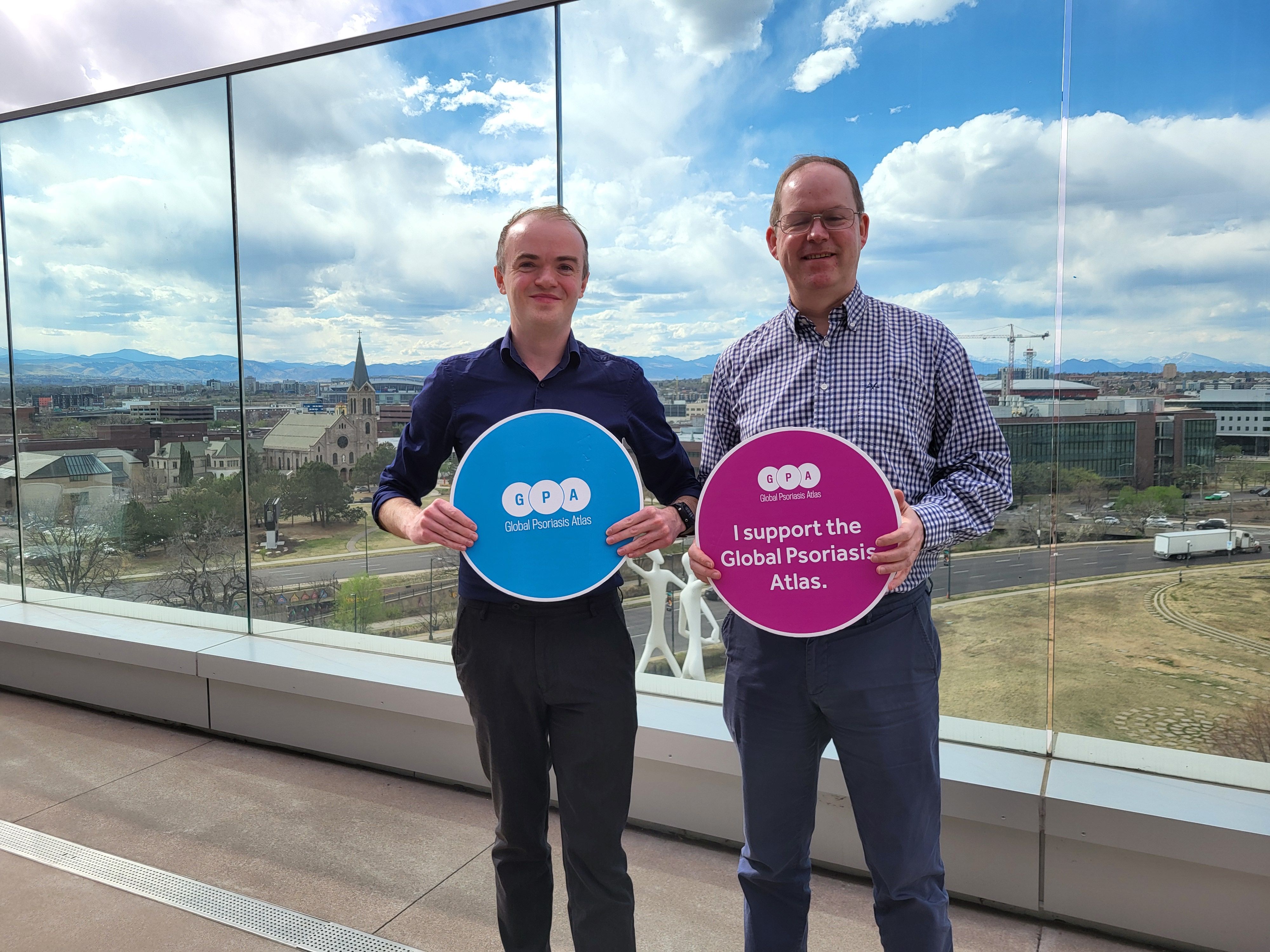
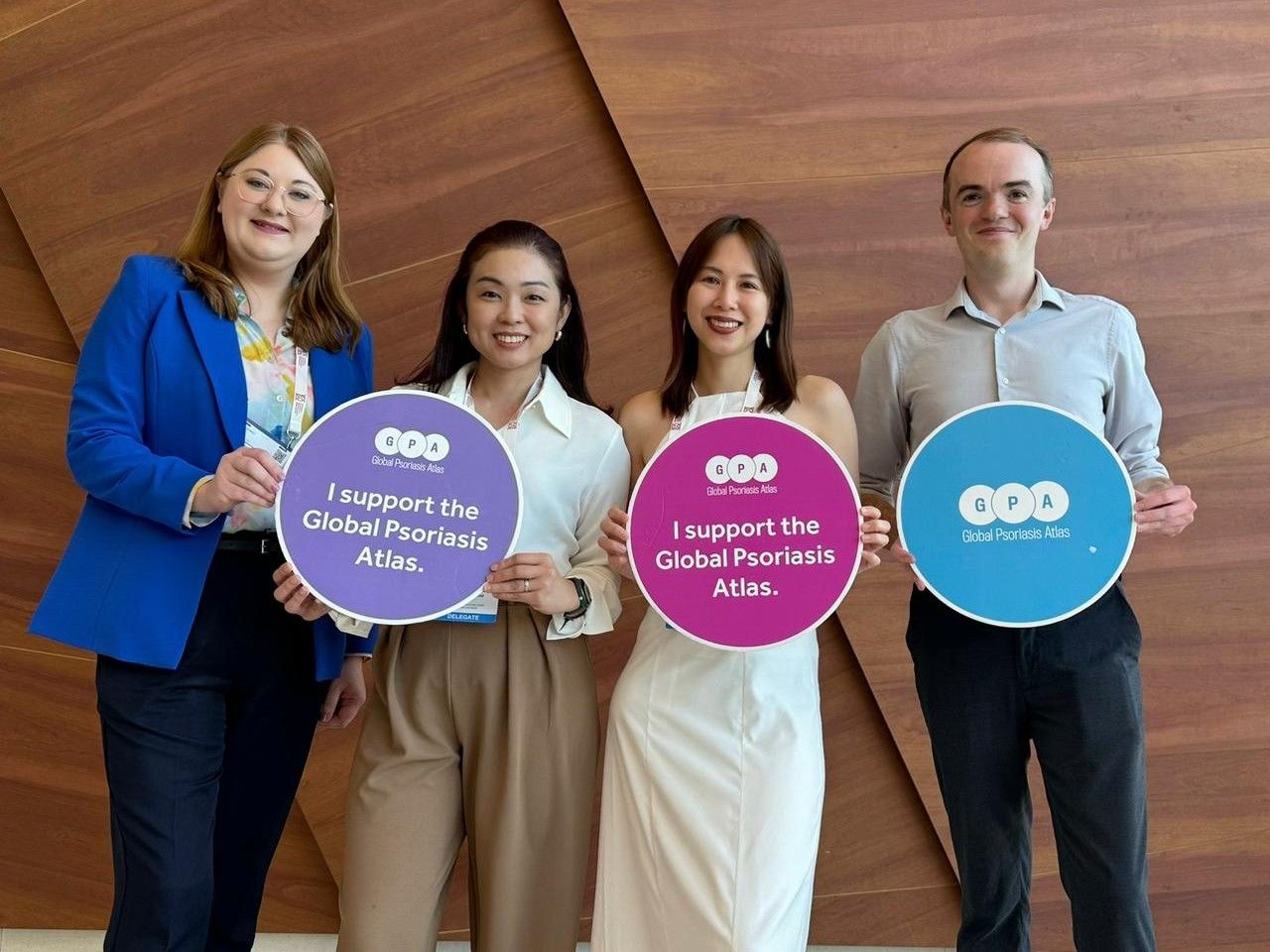
Thank you to everyone who has posed for a photo with one of our well-travelled GPA branded bubble boards. It is not a mandatory task, but it is appreciated and has become somewhat of an unofficial initiation. I am used to the familiar look of dread when they appear out of a bag for an opportune photoshoot.
Next time I have a strong feeling of wanderlust, I am grateful to know that in almost every country around the world I already know a friendly face. But be warned… the GPA bubbles may be in tow.

Tom Rogers
GPA Programme Manager
GPA Annual Report 2025-2026
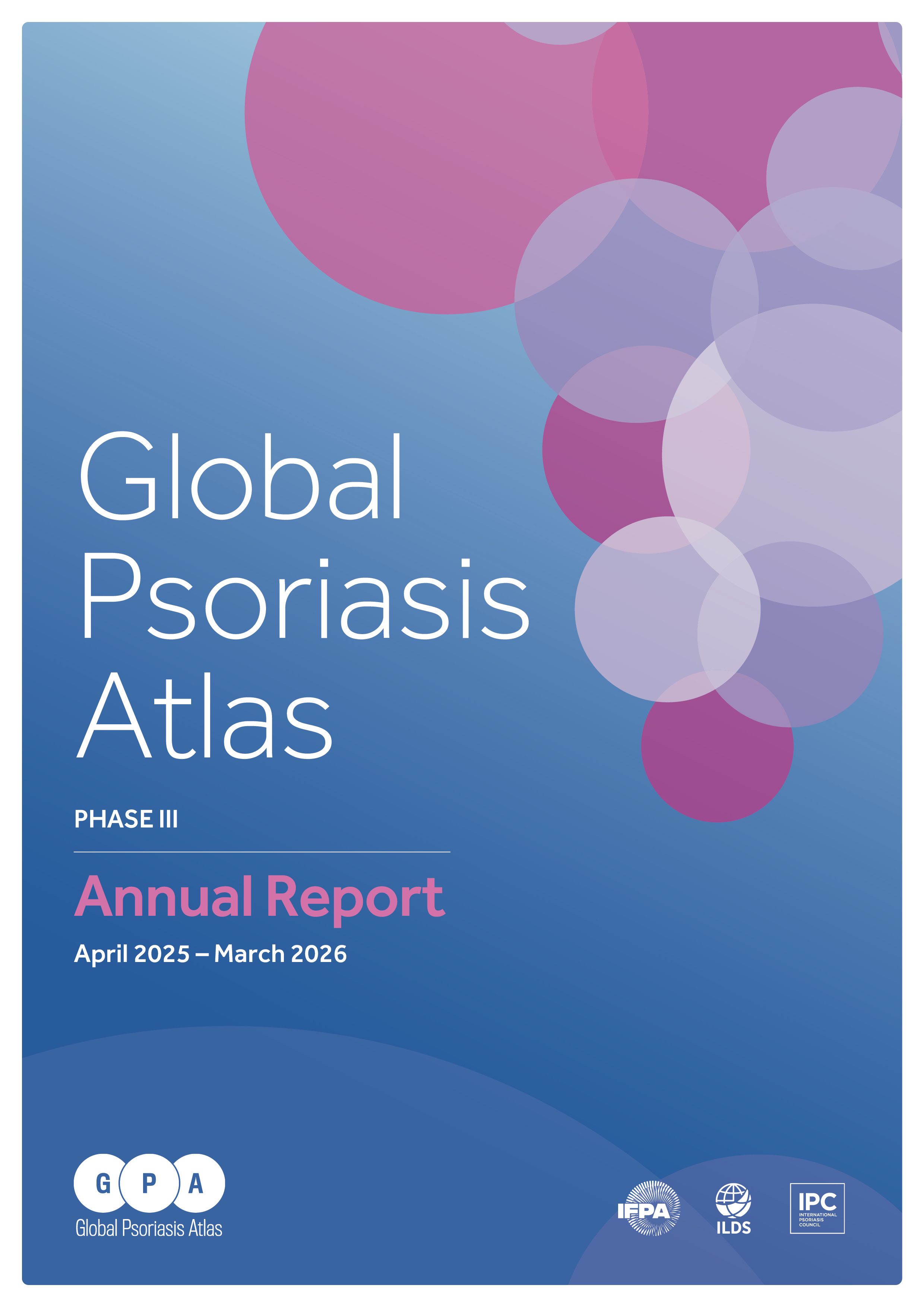
The GPA Annual Report for year 3 of Phase III (2025-2026) has been published.
The GPA have achieved so much in the past year. Read our report to learn about our research, international collaborations, events and digital developments during year 3 of Phase III of the GPA programme.
A big thank you to our collaborating organisations; IFPA, the International League of Dermatological Societies (ILDS) and the International Psoriasis Council (IPC) for their continued support and dedication to the GPA.
Read full report here:
Coordinator Update
Congratulations to our Coordinators who have recently received the following accolades and awards!
Dr David Zepeda, GPA National Coordinator for El Salvador, has been elected President of the Association of Medical Professionals of Dermatology of El Salvador.
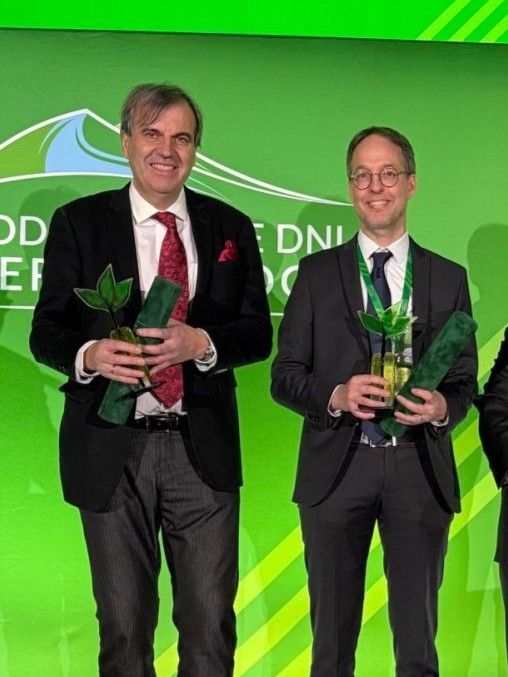
Professor Curdin Conrad, GPA National Coordinator for Switzerland, and Professor Peter Wolf, GPA National Coordinator for Austria, where named Honorary Members of the Polish Dermatological Society during the Meeting of the Polish Dermatological Society in Rzeszów.
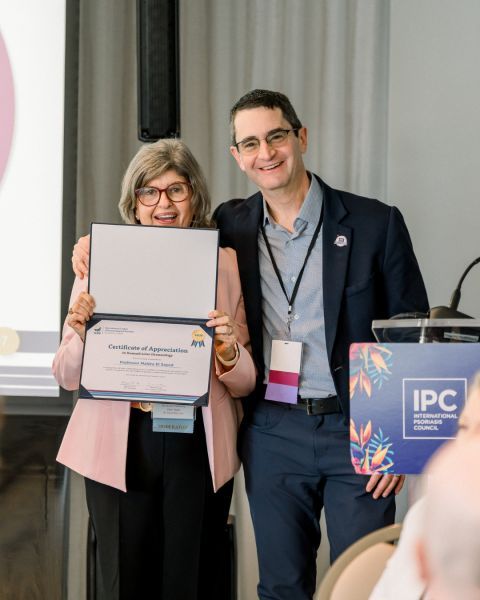
Professor Mahira El Sayed, GPA Regional Coordinator for Egypt, has been awarded the ILDS Certificate of Appreciation (COA) 2025 for her remarkable contributions to Humanitarian Dermatology. This category recognises those individuals that have been undertaking work in their own time in a selfless, humanitarian and not-for-profit manner to improve the skin health of people in under-served areas of the world. Professor El Sayed was nominated by the International Psoriasis Council and was presented her certificate at the IPC Think Tank in Puerto Rico by IPC President Dr Bruce Strober.
Coordinators Recent Publications
Professor Sunil Dogra - Regional Coordinator for India.
A prospective, observational study of the epidemiology, disease characteristics and treatment outcomes of generalized pustular psoriasis in India
Dogra S, Sharma A, Narang T, Handa S
Clinical and Experimental Dermatology, 2026
New Sponsor
We are thrilled to announce that Sun Pharma is now sponsoring the GPA.

The GPA would like to thank Sun Pharma for their support.
This support is crucial in helping us drive continuous improvement in the understanding of psoriasis and uncover how it affects both the individual and society at large.
Upcoming Meetings and Events
IFPA Forum (7th – 9th May 2026) Nairobi, Kenya
Psoriasis Association Annual Meeting (20th June 2026) Manchester, UK
BAD Annual Meeting (30th June – 2nd July 2026) Manchester, UK
ESDR Annual Meeting (9th – 12th September 2026) Heidelberg, Germany
EADV Congress (30th September – 3rd October 2026) Vienna, Austria
AAD Annual Meeting (19th-23rd March 2027) San Francisco, California, USA
IFPA Conference (20th-22nd May 2027) Stockholm, Sweden
World Congress of Dermatology (21st-26th June 2027) Guadalajara, Mexico
The Global Psoriasis Atlas is a collaboration between



The Global Psoriasis Atlas is supported by: Almirall, Janssen, Bristol Myers Squibb, Boehringer Ingelheim, Sun Pharma, Takeda, the Leo Foundation and UCB
Supporters







This website uses cookies!
We use cookies to tailor our content to your needs and continuously improve our website. You can decide which cookies you want to allow. Detailed information about the cookies we use can be found in our Privacy Policy and Cookie Settings. You can withdraw your consent at any time.

Which of these best describes you?